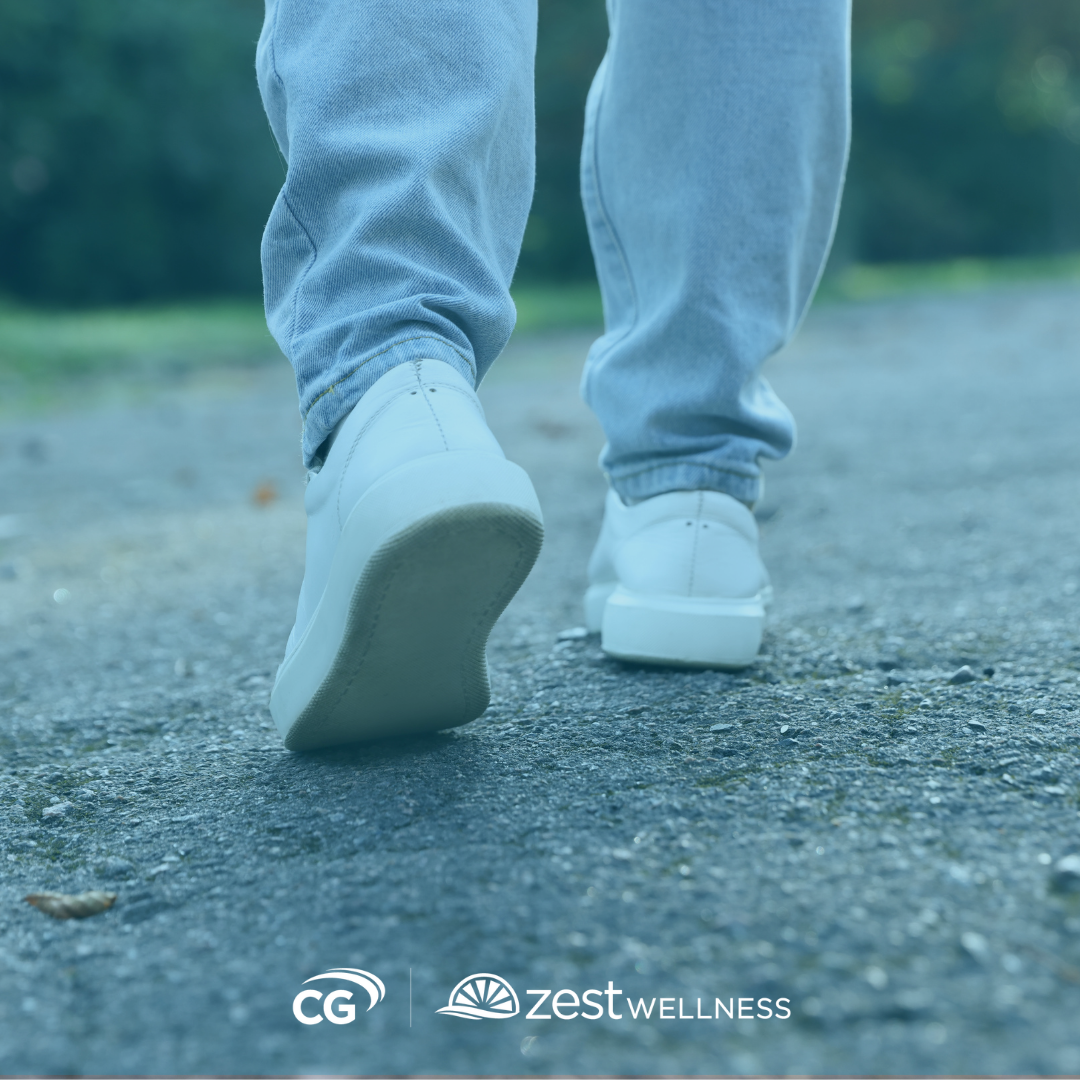
Post Meal Walk Benefits: 10 Minutes to Better Blood Sugar and Energy Levels
Let’s be honest – when you finish a meal, the couch is calling.
But what if just 10 minutes of light movement could help you feel more energized, less sluggish, and more balanced throughout your day?
When it comes to energy, digestion, and metabolic health, most people focus on what they eat – but what you do after eating matters too.
One of the simplest, most accessible habits is a short walk after meals. While it may seem minor, this type of light movement can influence how the body processes food and regulates energy in the hours that follow.
This is not about adding more exercise to your day. It is about using timing and gentle movement to support your body's natural function.
What’s Actually Happening After You Eat
After eating, your body breaks down carbohydrates into glucose, which is then absorbed into the bloodstream and used for energy. This process naturally raises blood sugar levels.
How your body manages that rise can influence:
Energy stability throughout the day
Post-meal fatigue or “sluggishness”
Hunger and cravings later on
Light movement after eating, such as walking, may help support this process by:
Assisting muscles in using glucose more efficiently
Supporting more stable post-meal blood sugar responses
Reducing the likelihood of sharp energy dips
Promoting smoother digestion and reduced heaviness after meals
Even short durations of movement can have a meaningful effect when done consistently.
The 10-Minute Post-Meal Walk
This habit is intentionally simple and low-barrier.
After finishing a meal:
Take a 10-minute walk at a light, comfortable pace
Avoid intensity, tracking, or performance goals (this is not a workout)
Focus only on gentle, consistent movement – keep it relaxed!
If walking is not possible, similar benefits may be supported through:
Light household movement (tidying, gentle activity)
Standing and slow mobility work
Light stretching or casual movement
Light activity supports the body’s natural processing of food. So, the goal is simple: don’t go from eating straight to sitting still for long periods.
How to Make This a Consistent Habit
Let’s make this automatic instead of something you “try to remember.”
A few easy tricks:
Pair it with finishing a meal (your built-in trigger)
Put your shoes somewhere visible as a reminder
Start with just one walk a day (lunch or dinner works great)
Keep it so easy you can’t talk yourself out of it
Once it feels normal, you can naturally expand it.
Why This Habit Works Long-Term
This isn’t about doing something perfect – it’s about doing something consistently simple.
Over time, a post-meal movement can help:
Support more stable daily energy levels
Reduce post-meal fatigue and energy crashes
Improve digestive comfort
Encourage more balanced metabolic responses to food
Build a consistent daily movement pattern without added stress
It’s one of those habits that quietly adds up in the background, improving your well-being in a meaningful way over time.
A Simple Tool for Daily Metabolic Support
You don’t need a new diet, a new workout plan, or a complete lifestyle overhaul to feel better.
Sometimes, it’s just:
👉 Finish your meal
👉 Put on your shoes
👉 Walk for 10 minutes
A 10-minute walk after meals is a practical example of how light movement can be used strategically to support blood sugar balance, digestion, and steady energy throughout the day.
Simple. Repeatable. Surprisingly powerful.
Your energy doesn’t always need more effort…it sometimes just needs a short walk.
Resources